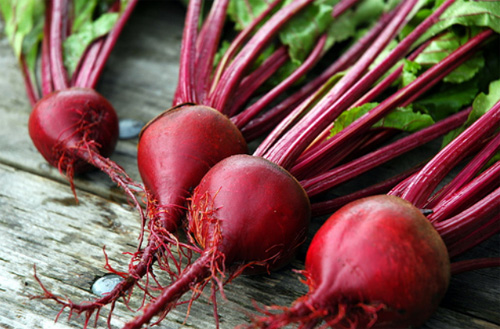
We're back into greens this week! All of our greens crops love the (usually) cooler weather of fall (the weekend's weather notwithstanding). They've been growing in the field since August and are looking like they're ready for their first harvests. Also ready for prime time this week is our beet crop, which is looking healthy and abundant this fall. We got some fabulous help with this crop (and our
carrot crop--ready soon!) from an incredible team of freshman Boston University students in August. We had over a hundred students on the farm over 3 days and they helped us with the very time-consuming work of hand weeding and thinning our many rows of carrots and beets. A great group of students from all over the country and the world, they were enthusiastic farm helpers and completed a jaw-dropping amount of work in the short time they were here. This beet's for you, BU!
This Saturday, Oct. 4th, is our annual Fall Festival! We'll have live music, pony rides, hands-on crafts for kids, a food truck with lobstah rolls, fried clams, and rotisserie roast beef (yum!), fresh squeezed lemonade, farm demonstrations, and of course our sociable barnyard livestock. Come over between 10am and 2pm for good old-fashioned family fun on the farm!
As tomato season winds down, make sure you get your sauce made for the winter! We still have ugly tomatoes available for sale at $1/lb--email me at rodwyer@ttor.org and I'll have your packed up and ready for you at pickup! In your share this week: storage onions, beets, radishes or mustard greens, chard or kale, tomatoes, and the long-awaited return of arugula and salad mix! PYO this week will be the last of the cherry tomatoes, green beans, and sage.
Enjoy!
Monday, September 29, 2014
Monday, September 22, 2014
Allium Appreciation Society
As we slip further into fall, we're still hanging on to a few of our summer crops. After a pretty good run with tomatoes and cherry tomatoes, they'll be slowing down towards the end of the week. And then it'll be a long, long time before we see another holy grail tomato-- in-season, field-grown, and vine-ripened. For now, we can savor the time we have left.
Garlic is back in the share this week, to join its allium family members--leeks and some specialty onions. Our garlic crop was picked in July, a little smaller than I'd like but otherwise a healthy crop that got a lot of compost in the spring. It cured in the greenhouse for over a month, drying out and
sealing in flavor with help from the extra heat in there. The specialty onions we have this week are cippolini onions and shallots. Cippolinis are those flat, almost donut-shaped onions, that are sweet and mild. Deborah Madison, author of the famous Vegetarian Cooking for Everyone, has a new cookbook out--Vegetable Literacy--and I've been dipping into it here and there. Her section on cipollinis includes the following advice:
"While you can do all those things with cipollini onions you do with your basic storage onion, they're an onion to be featured whole, not just used as an ingredient. It makes sense to cook them in a way that showcases their form, such as braised with rosemary and sage, pan roasted, oven roasted, or grilled. They make a special treat to offer friends and family. The only challenge to cippolini is in peeling them. I find it works best to drop them into a pan of boiling water for a half minute or so, then carefully pull back the skins and cut them off along with part of the root. Or you can pour boiling water over them, then slip off the outer skins after taking away a thin slice at the base."
In your share this week: tomatoes, leeks, husk cherries, garlic, cippolinis and shallots, radishes, and PYO cherry tomatoes and flowers. Remember to bring back any little green containers you have!
Recipe of the Week
This is one of farm apprentice Sophie's favorite tomato recipes. It smells great in the oven and is perfect for a slightly chilly autumn evening.
Scalloped Tomatoes
from Ina Garten at barefootcontessa.com
Good olive oil
2 cups (½-inch diced) bread from a French boule, crusts removed
2.5 lb red tomatoes, 1/2 inch dice
1 tablespoon minced garlic (3 cloves)
2 tablespoons sugar
2 teaspoon kosher salt
1 teaspoon freshly ground black pepper
½ cup julienned basil leaves, lightly packed
1 cup freshly grated Parmesan cheese
Preheat the oven to 350 degrees.
Heat 3 tablespoons of olive oil in a large (12 inch) sauté pan over medium heat. Add the bread cubes and stir to coat with the oil. Cook over medium to medium-high heat for 5 minutes, stirring often, until the cubes are evenly browned.
Meanwhile, combine the tomatoes, garlic, sugar, salt, and pepper in a large bowl. When the bread cubes are done, add the tomato mixture and continue to cook, stirring often, for 5 minutes. Off the heat, stir in the basil.
Pour the tomato mixture into a shallow (6 to 8 cup) baking dish. Sprinkle evenly with the Parmesan cheese and drizzle with 2 tablespoons of olive oil. Bake for 35 to 40 minutes until the top is browned and the tomatoes are bubbly. Serve hot or warm.
| Casey with the prettiest tomato of the day. Photo: Sophie Schillue |
| Greenhouse full of garlic! |
"While you can do all those things with cipollini onions you do with your basic storage onion, they're an onion to be featured whole, not just used as an ingredient. It makes sense to cook them in a way that showcases their form, such as braised with rosemary and sage, pan roasted, oven roasted, or grilled. They make a special treat to offer friends and family. The only challenge to cippolini is in peeling them. I find it works best to drop them into a pan of boiling water for a half minute or so, then carefully pull back the skins and cut them off along with part of the root. Or you can pour boiling water over them, then slip off the outer skins after taking away a thin slice at the base."
In your share this week: tomatoes, leeks, husk cherries, garlic, cippolinis and shallots, radishes, and PYO cherry tomatoes and flowers. Remember to bring back any little green containers you have!
Recipe of the Week
This is one of farm apprentice Sophie's favorite tomato recipes. It smells great in the oven and is perfect for a slightly chilly autumn evening.
Scalloped Tomatoes
from Ina Garten at barefootcontessa.com
Good olive oil
2 cups (½-inch diced) bread from a French boule, crusts removed
2.5 lb red tomatoes, 1/2 inch dice
1 tablespoon minced garlic (3 cloves)
2 tablespoons sugar
2 teaspoon kosher salt
1 teaspoon freshly ground black pepper
½ cup julienned basil leaves, lightly packed
1 cup freshly grated Parmesan cheese
Preheat the oven to 350 degrees.
Heat 3 tablespoons of olive oil in a large (12 inch) sauté pan over medium heat. Add the bread cubes and stir to coat with the oil. Cook over medium to medium-high heat for 5 minutes, stirring often, until the cubes are evenly browned.
Meanwhile, combine the tomatoes, garlic, sugar, salt, and pepper in a large bowl. When the bread cubes are done, add the tomato mixture and continue to cook, stirring often, for 5 minutes. Off the heat, stir in the basil.
Pour the tomato mixture into a shallow (6 to 8 cup) baking dish. Sprinkle evenly with the Parmesan cheese and drizzle with 2 tablespoons of olive oil. Bake for 35 to 40 minutes until the top is browned and the tomatoes are bubbly. Serve hot or warm.
Monday, September 15, 2014
Slowly slipping into fall
This is the first week of the season that we start to see fall overlapping with summer in the crops that we're harvesting. Mornings out in the field have been feeling noticeably more chilly and sunset has been catching me off guard at the end of the day. The leeks and radishes we'll be bringing in this week are the harbingers of future harvests of kale, carrots, and beets deeper into the fall.
While radishes are a fast-growing crop, seeded in the field only about a month ago, our leek crop has been a long project, starting in April when we first seeded them into little cells in flats in the
greenhouse. They grow slowly, taking lots of time to stretch their roots out into the soil, and develop from spindly little grass-like shoots into sturdy, flavorful vegetable stalwarts. This prolonged adolescence in leeks gives the competition (ie, fast growing and ubiquitous weeds) lots of time to get established and give the crop a run for its money (or its soil nutrients and solar access). During the mid-summer months we spent lots of time weeding and hoeing in the leek field, beating back the weeds and trying to give our leeks the edge. With a healthy and abundant crop in front of us, it looks like our work paid off.
Farm Fresh Yoga this Saturday (9/20) at 11am celebrates the Autumn Equinox. Bring your mat and get ready to enjoy a sunny yoga class on our beautiful hillside. Guests are welcome with a sliding scale donation to our Food Access Fund.
In your share this week: more heirloom and red slicing tomatoes, red potatoes from Moraine Farm, leeks, first radishes of the fall, husk cherries, tomatillos (for fresh salsa verde!), Pick Your Own cherry tomatoes and Pick Your Own flowers. Please bring back any pint and quart containers you might have at home so we can reuse them!
Recipe of the Week
Since we have both potatoes and leeks in the share, this week's recipe showcases this classic duo in a soup perfect for the first weeks of fall.
Leek and Potato Soup
from Anna Thomas' The New Vegetarian Epicure
2 1/2 cups sliced leeks, white and light green parts only
1 Tbs butter
2 lb potatoes
2 cups water
1/2 tsp salt
2 cups vegetable broth
1-2 Tbs chopped fresh dill
1-2 Tbs chopped fresh parsley
juice of a quarter of a lemon
freshly ground black pepper
optional: milk or cream to taste
Wash the leeks, quarter them lengthwise, and slice them thinly. Melt the butter in a large non-stick skillet and cook the leeks in it over medium heat, stirring often, until they are limp and just hinting at the idea of coloring.
Meanwhile, peel the potatoes and cut them in a 1/2-inch dice. Combine them in a saucepan with the 2 cups of water and the salt, adding a little more water only if needed to cover them. Bring the water to a boil, lower the heat, and simmer the potatoes until they are completely tender.
For a more intense potato flavor, cook the peels in a separate pot, in just enough water to cover. When the potatoes are tender, strain the water off the peels and add it to the soup.
Add the cooked leeks to the potatoes, along with the vegetable broth, chopped herbs, lemon juice, and pepper. Cook everything together for about 10 more minutes, then taste and correct the seasoning with more salt or pepper if desired.
If you like a chunky soup, it's ready. If you want it less chunky, use a potato masher. If you want it smooth, puree it in a blender in batches, but be sure to blend very briefly, as potatoes suffer from overprocessing. For a creamier soup, stir in a little milk or cream now.
While radishes are a fast-growing crop, seeded in the field only about a month ago, our leek crop has been a long project, starting in April when we first seeded them into little cells in flats in the
| Baby leeks in the greenhouse this spring. |
Farm Fresh Yoga this Saturday (9/20) at 11am celebrates the Autumn Equinox. Bring your mat and get ready to enjoy a sunny yoga class on our beautiful hillside. Guests are welcome with a sliding scale donation to our Food Access Fund.
In your share this week: more heirloom and red slicing tomatoes, red potatoes from Moraine Farm, leeks, first radishes of the fall, husk cherries, tomatillos (for fresh salsa verde!), Pick Your Own cherry tomatoes and Pick Your Own flowers. Please bring back any pint and quart containers you might have at home so we can reuse them!
Recipe of the Week
Since we have both potatoes and leeks in the share, this week's recipe showcases this classic duo in a soup perfect for the first weeks of fall.
Leek and Potato Soup
from Anna Thomas' The New Vegetarian Epicure
2 1/2 cups sliced leeks, white and light green parts only
1 Tbs butter
2 lb potatoes
2 cups water
1/2 tsp salt
2 cups vegetable broth
1-2 Tbs chopped fresh dill
1-2 Tbs chopped fresh parsley
juice of a quarter of a lemon
freshly ground black pepper
optional: milk or cream to taste
Wash the leeks, quarter them lengthwise, and slice them thinly. Melt the butter in a large non-stick skillet and cook the leeks in it over medium heat, stirring often, until they are limp and just hinting at the idea of coloring.
Meanwhile, peel the potatoes and cut them in a 1/2-inch dice. Combine them in a saucepan with the 2 cups of water and the salt, adding a little more water only if needed to cover them. Bring the water to a boil, lower the heat, and simmer the potatoes until they are completely tender.
For a more intense potato flavor, cook the peels in a separate pot, in just enough water to cover. When the potatoes are tender, strain the water off the peels and add it to the soup.
Add the cooked leeks to the potatoes, along with the vegetable broth, chopped herbs, lemon juice, and pepper. Cook everything together for about 10 more minutes, then taste and correct the seasoning with more salt or pepper if desired.
If you like a chunky soup, it's ready. If you want it less chunky, use a potato masher. If you want it smooth, puree it in a blender in batches, but be sure to blend very briefly, as potatoes suffer from overprocessing. For a creamier soup, stir in a little milk or cream now.
Monday, September 8, 2014
Tomatonado 2: Lost in the Cherry Tomato jungle again!
![]() |
| Purple Bumble Bee variety |
Sungold--This year there are ample amounts of these round, bright orange bursts of sugar. They've been called a one-trick pony because their sugar content (or Brix levels) is their only selling point, but I grow cherry tomatoes mostly for the sugar rush, so it's really the only trick I want them to do. The major defect of the Sungolds is that they split sooooo easily, making a gooey mess if you picked them first into the bottom of your quart basket. Best to top off your basket with these so they're not squished by the weight of the others. These little guys are prolific on huge plants (easily the largest plants the farm will grow all year), making the Sungold sections of the cherry tomatoes the most jungle-like.
Esterina-- Yellow and almost as sweet as their Sungold neighbors, the Esterinas are blocky in shape--somewhere between round and square--and a little larger. I discovered this variety by accident last year (I thought I had planted a small, red, round variety and this was definitely not that) and fell in love. If I wasn't so addicted to the sugar shot of the Sungolds, this would be my favorite variety. Esterinas have a firmer, meatier texture, plenty of sweetness, and rarely crack or split.
Jasper--The only red cherry tomato out there is this guy--small, slightly olive-shaped, a beautiful deep red, and very tasty. This plant has been bred with some resistance to the bogeyman of tomato diseases, Late Blight (Phytophthera infestans), so it should be the last variety standing this year, once the disease moves in towards the end of the month.
Black Cherry--Large, round, dusky, and super juicy, these plump purple beauties pop in your mouth like a grape. Try one and you'll come over to the dark side too!
The Bumble Bees--Pink, Purple, and Sunrise. A new variety from my favorite seed supplier (Johnny's Seeds in Maine), these striped bi-color cherries are big and round. Don't be fooled into thinking they're not ripe just because of the green stripes. Not only are they visually very striking, they have a good balance of sweet and tangy tomato flavor.
Yellow Pear-- yellow and pear-shaped (surprise!). These reach their peak flavor at the end of September, when other varieties start to fade. Their shape adds curb appeal to the mix while they wait for their ugly duckling moment to shine.
| another massive Striped German heirloom |
Recipe of the Week
For your cherry tomato bounty this week, a recommendation from CSA member Eileen Small--another great recipe from Ree Drummond of the Pioneer Woman blog. Worth turning on your oven for!
Cherry Tomato Tart
Ree Drummond at the pioneerwoman.com
Per usual, Ree takes you through the recipe with great step-by-step instructions and fabulous photos--click the link for some grade A food porn.
4 Tablespoons Butter
2 whole Large Onions, halved and sliced thin
Salt And Pepper, to taste
2 whole Store-bought Pie Crusts (or 1 good sized homemade crust)
1-1/2 cup Grated Fontina Cheese (or Monterey Jack)
1/4 cup Grated Parmesan
1/4 cup Grated Gruyere (or Swiss)
3 cups Cherry Tomatoes (yellow or red), washed and dried (more if needed)
1 whole Egg
1/4 cup Milk
16 whole Basil Leaves, Chiffonade (more if needed)
Heat a large skillet over medium-low heat. Add the butter, onions, salt, and pepper and cook for 20 to 25 minutes, stirring occasionally, until the onions are soft and deep golden brown. Set aside.
Preheat the oven to 450 F.
Smush both pie crusts into a ball, knead it around a bit to combine them, then roll it out into one large, thin crust. Lay onto a shallow quarter sheet pan, a tart pan, or cut in half and use 2 standard pie pans. Sprinkle on the cheeses in a single layer, then lay on the caramelized onions, then sprinkle the tomatoes over the cheese.
Mix together the egg and milk in a small bowl and brush it all over the crust around the edge of the tart. Bake the tart for 15 to 18 minutes, watching carefully to make sure the crust doesn't burn. (The tomatoes should be starting to burst apart, with some dark/roasted areas on the skin, and the crust should be deep golden brown.) If the crust is getting brown too fast, reduce the heat to 425 F.
Remove the tart from the oven and allow it to sit for 5 minutes. Sprinkle the basil all over the top. Cut into squares and serve!
Enjoy!
![]() |
| 2014 Farm Crew at the Farm to Table this weekend: Joe, Rory, Casey & Sophie |
Monday, September 1, 2014
What's with the funny looking tomatoes?
As the heat continues this week, we should see more of our heirloom tomatoes ripening. Here's a quick rundown on what you need to know about our heirlooms. First, heirloom tomatoes are famous for both their rich, juicy, true tomato flavor and their lumpy, bumpy, easily-bruised delicateness. Think Princess and the Pea meets the Ugly Duckling on the outside, sweet ambrosia of summer on the inside. Heirlooms also tend to ripen less uniformly than our modern red slicing tomatoes. Often the bottom of the fruit is ripe and ready to eat while the top is still slightly green. If you can hit the precise window when the whole fruit is neither under- nor over-ripe (the precise window may only be a minute and 45 seconds long), you should buy a lottery ticket -- and a bib. Here are some characteristics to look for in the varieties we have ripe this week--
Speckled Roman (front right in the picture above) - meaty texture without the usual heirloom seediness. It was bred as a paste tomato, but it's too yummy to bury in a sauce.
Japanese Trifele (front left) - pear-shaped and purple, with a rich, almost smokey flavor.
Striped German (back right) - notable for their monster size--they regularly top 2 lb.--this is one of my all-time favorite varieties. As with all yellow and orange tomatoes, the Striped German has low acidity and is very juicy. When sliced, the red streaks through the middle look like a sunset.
Paul Robeson (middle back) - Another rich, smokey tomato with gorgeous color--the taste and the color make a great counterpoint to the Striped Germans.
The Orange Blossom variety in the back left isn't a true heirloom, but has lovely orange color and the same low acidity as the Striped German.
Next week we should see some more ripening from the Cherokee Purples (lumpy bumpy like a Striped German and dark purple like a Paul Robeson) and the Green Zebras (another psuedo-heirloom with green and yellow stripes).
If you're in the sauce-making mood, we have a limited supply of tomatoes that were too ugly to make the CSA cut, but are perfectly serviceable. Scarred, cracked, poked, misshapen, or bruised, they are tomatoes only a mother could love. $10 for 10 lbs--email me at rodwyer@ttor.org to reserve yours for your pickup day.
In your share this week: tomatoes! a jumbo head of garlic, the last of the summer onions, red potatoes from our sister farmers at Moraine Farm in Beverly, the first husk cherries (aka ground cherries) of the year, 3 quarts of Pick Your Own cherry tomatoes (!!!), and a huge bouquet of PYO flowers.
Recipe of the Week
A Caprese salad with reduce balsamic vinegar is my favorite way to showcase not only the amazing flavor of ripe, in-season tomatoes, but also their diversity of colors and shapes. Ree Drummond at The Pioneer Woman Cooks has the recipe I originally started making Caprese with. Sometimes I substitute burrata (a sort of cream filled mozzarella) for the mozzarella that Caprese is traditionally made with. The burrata variation is waaaaay messier, but the creamy softness adds so much to the dish it's worth it.
Caprese Salad
Ree Drummond, thepioneerwoman.com
(the photos on this post are guaranteed to make your mouth water)
2 cups Balsamic Vinegar
3 whole Ripe Tomatoes, Sliced Thick
12 ounces, weight Mozzarella Cheese, Sliced Thick
Fresh Basil Leaves
Olive Oil, For Drizzling
Kosher Salt And Freshly Ground Black Pepper
In a small saucepan, bring balsamic vinegar to a boil over medium-low heat. Cook for 10 to 20 minutes, or until balsamic has reduced to a thicker glaze. Remove from heat and transfer to a bowl or cruet. Allow to cool.
When you're ready to serve, arrange tomato and mozzarella slices on a platter. Arrange basil leaves between the slices. Drizzle olive oil over the top of the salad, getting a little bit on each slice. Do the same with the balsamic reduction, making designs if you want. Store extra balsamic reduction in fridge for a later use.
End with a sprinkling of kosher salt and black pepper. Serve as a lunch, with crusty bread. Or serve alongside a beef main course for dinner.
Monday, August 25, 2014
If April showers bring May flowers, then August heat brings vine-ripe tomatoes
The warmer weather expected this week is a boon for our 2nd succession of tomatoes. We started seeing a jump in ripening over weekend and with the 80 degree days and nights in the 60s, we're excited for our first real harvest of tomatoes this week. This planting of tomatoes has a mix of regular red slicing tomatoes, plus several varieties of heirlooms, so there's something for everybody. This 2nd succession, which is growing vigorously down in the field below the Yellow House, has never seen any deer damage (knock on wood!!), as that field is too exposed and offers poor conditions for grazing. We're hoping for a good run of tomato harvests from the over 800 plants we have growing here, which is almost double the number of plants that the deer destroyed up in the top field.
This past week saw a lot of our livestock vacationing off the farm at the Marshfield Fair with our many 4Hers. Weir River pigs, lambs, goats, and chickens were all represented in numerous competitions and the ribbon count is climbing every day. Everybody will be back home in the barnyard by the end of the week, returning to their daily chores of pecking bugs, munching grass, bathing in mud puddles, and making friends with farm visitors.
As a reminder, if you need to switch your pickup day this week (or any week), please email me by Monday at 6pm so that we can make sure to harvest for you on the right day. In your share this week: tomatoes! an eggplant, bunching onions, squash and cuke, a melon from Freedom Food Farm in Raynham, lots of PYO cherry tomatoes and a big bunch of PYO flowers. Enjoy!
Recipe of the Week
This seems like a great week to make fresh salsa--a favorite in my family. We don't really have a set recipe, just some guidelines to start with and then LOTS of tasting and adjusting. It's a messy, loud, yummy process. Here's some guidelines to start with.
3 cups chopped tomatoes
1 cup onion, diced
1/3 c. minced fresh cilantro
4 Tbsp lime juice
2-5 tsp very finely minced jalapeno or other hot pepper (adjust your amount to how hot your pepper is and how hot you like your salsa)
1 tsp minced garlic
1 tsp salt
several twists of freshly ground black pepper
Chop, combine, taste, adjust, taste, adjust, taste, adjust, enjoy!
Monday, August 18, 2014
Midnight snackers on the farm
First, the important news: the farm family has a new addition this week. Park and Conservation Tech (and Yellow House cohabitant) Steve Vieira adopted this guy over the weekend. Woody is a black lab/German shepherd mix who is delighted with all the attention he's been getting from the farm crew. He'll be hanging around during CSA pickup this week enjoying the social scene if you'd like to meet him.
Last week's deluge provided some much needed water for our crops in the field. And if you can believe it, just two days later, we already had to start irrigating again. On Wednesday we used the rainy weather as a window to get caught up on all our fall crop seeding in the greenhouse. Casey, Sophie, and Joe seeded an epic number of trays of lettuce, spinach, and salad mix while the falling rain made a racket on the plastic roof of the greenhouse. We also transplanted out into the field lots of broccoli, kale, and beet seedlings and then seeded rows of fall radishes, mustard greens and the last green beans of the summer.
One of our major challenges this season, like last season, has been crop loss due to pests. One of our big investments this spring was the 8 ft high fencing around our largest field. The fence was designed to limit access to our tasty veggies from the local (abundant!) deer population. Last year the deer ate through several thousand dollars of produce and showed a special fondness for our fall lettuce crop. While the new fence has been doing a great job keeping the deer out of our Main Field, our three other fields remain unprotected. We have seen losses of spring greens, cabbages, squash, and lettuce, among other things. Even more surprising and disappointing, the deer decimated our first succession planting of tomatoes and our entire pepper crop this season. This is particularly odd because deer are not known to go after peppers or tomatoes. Last year we had large plantings of both those crops in the same field and both remained almost untouched.
In addition to the deer, we've also been combating groundhog damage again this year. While our trapping has been very successful this year (19 and counting!), the groundhogs have still managed to do damage to a variety of crops (spring lettuce, fennel, green beans, cabbage, as well as almost a third of our fall brussels sprouts). To top it off, these furry varmints like to taunt us by hanging out at the field edges and watching us make their dinner. If anyone could put me in touch with the head groundskeeper at Bushwood Country Club, please let me know!!
As a result of these particularly challenging pests, we're supplementing some of your shares with produce grown by local farms. We'll be bringing in green peppers and slicing tomatoes this week from Langwater Farm in North Easton, which is certified organic, not to mention award-winning. While this takes a bite out of the CSA budget, we don't want to completely deprive you of these tasty summer classics. This may mean we won't have the funds to buy in seed garlic next month, thereby having to reserve more of our own crop this year for seed stock--we'll see how the numbers shake out this month.
In your share this week: squash and cucumbers, fresh onions and bunching onions, squash blossoms (!! see the awesome recipe below), tomatoes and green peppers, Pick Your Own cherry tomatoes and flowers.
Enjoy your veggies and flowers this week!
Recipe of the Week
The first time I ate squash blossoms I thought they were just the fancy foodie way of eating fried cheese without having to admit you were eating fried cheese. I later found out that they've been traditionally used in Mexican and Central American cuisine in many ways, not just stuffed with cheese and fried. I've never made the tomato sauce that's included in this recipe originally, but you can follow the link if you'd like to have dipping sauce for your blossoms. A note about keeping your blossoms--they have a notoriously short shelf life, so it's best to use them within a day or two. When you get them home, wrap them in a slightly damp paper towel and put them in a sealed tupperware and keep them in the coldest part of your fridge (but don't let them freeze).
Squash Blossoms Stuffed with Ricotta
from epicurious.com
1 cup whole-milk ricotta (preferably fresh)
1 large egg yolk
1/4 cup finely chopped mint
2/3 cup grated Parmigiano-Reggiano, divided
12 to 16 large zucchini squash blossoms
1/2 cup plus 1 tablespoon all-purpose flour
3/4 cup chilled seltzer or club soda
About 3 cups vegetable oil for frying
Equipment: a deep-fat thermometer
Stir together ricotta, yolk, mint, 1/3 cup parmesan, and 1/8 teaspoon each of salt and pepper.Carefully open each blossom and fill with about 2 rounded teaspoon ricotta filling, gently twisting end of blossom to enclose filling. (You may have filling left over.) Whisk together flour, remaining 1/3 cup parmesan, 1/4 teaspoon salt, and seltzer in a small bowl. Heat 1/2 inch oil to 375°F in a 10-inch heavy skillet. Meanwhile, dip half of blossoms in batter to thinly coat. Fry coated blossoms, turning once, until golden, 1 to 2 minutes total. Transfer with tongs to paper towels to drain. Coat and fry remaining blossoms. (Return oil to 375°F between batches.) Season with salt.
Subscribe to:
Posts (Atom)